Bats
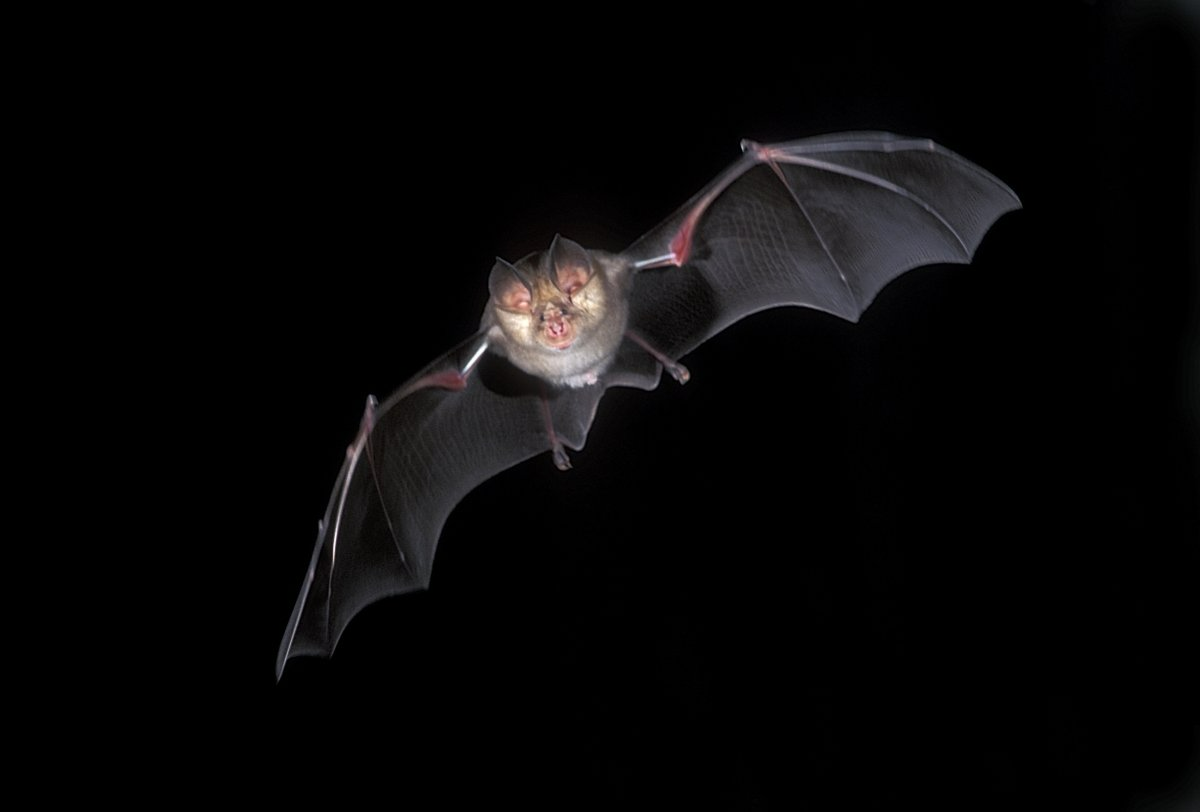
The region with the greatest diversity of bat species
Eastern Serbia, the region where Sesalac Cave is located, represents the richest region in Serbia concerning bat species, with 29 species recorded out of the 31 species that make up the bat fauna of the country.
The presence of 10 bat species has been confirmed in Sesalac Cave: the Common Bent-wing Bat (Miniopterus schreibersii), the Lesser Mouse-eared Bat (Myotis blythii), the Long-fingered Bat (Myotis capaccinii), the Greater Mouse-eared Bat (Myotis myotis), the Mediterranean Horseshoe Bat (Rhinolophus euryale), the Lesser Horseshoe Bat (Rhinolophus hipposideros), the Greater Horseshoe Bat (Rhinolophus ferremecuinum), the Blasius's Horseshoe Bat (Rhinolophus blasii), the Alcathoe Whiskered Bat (Myotis alcathoe), and the Common Serotine (Eptesicus serotinus), all of which are strictly protected species and internationally significant.
A bat breeding roost
A particular value of Sesalac Cave is the mixed maternity colonies of seven bat species: the Greater Horseshoe Bat (Rhinolophus ferremecuinum), the Mediterranean Horseshoe Bat (Rhinolophus euryale), the Blasius's Horseshoe Bat (Rhinolophus blasii), the Long-fingered Bat (Myotis capaccinii), the Lesser Mouse-eared Bat (Myotis blythii), the Greater Mouse-eared Bat (Myotis myotis), and the Common Bent-wing Bat (Miniopterus schreibersii).
Due to the presence of these mixed colonies of seven bat species, Sesalac Cave represents one of the most important summer reproductive shelters for bats in Serbia.
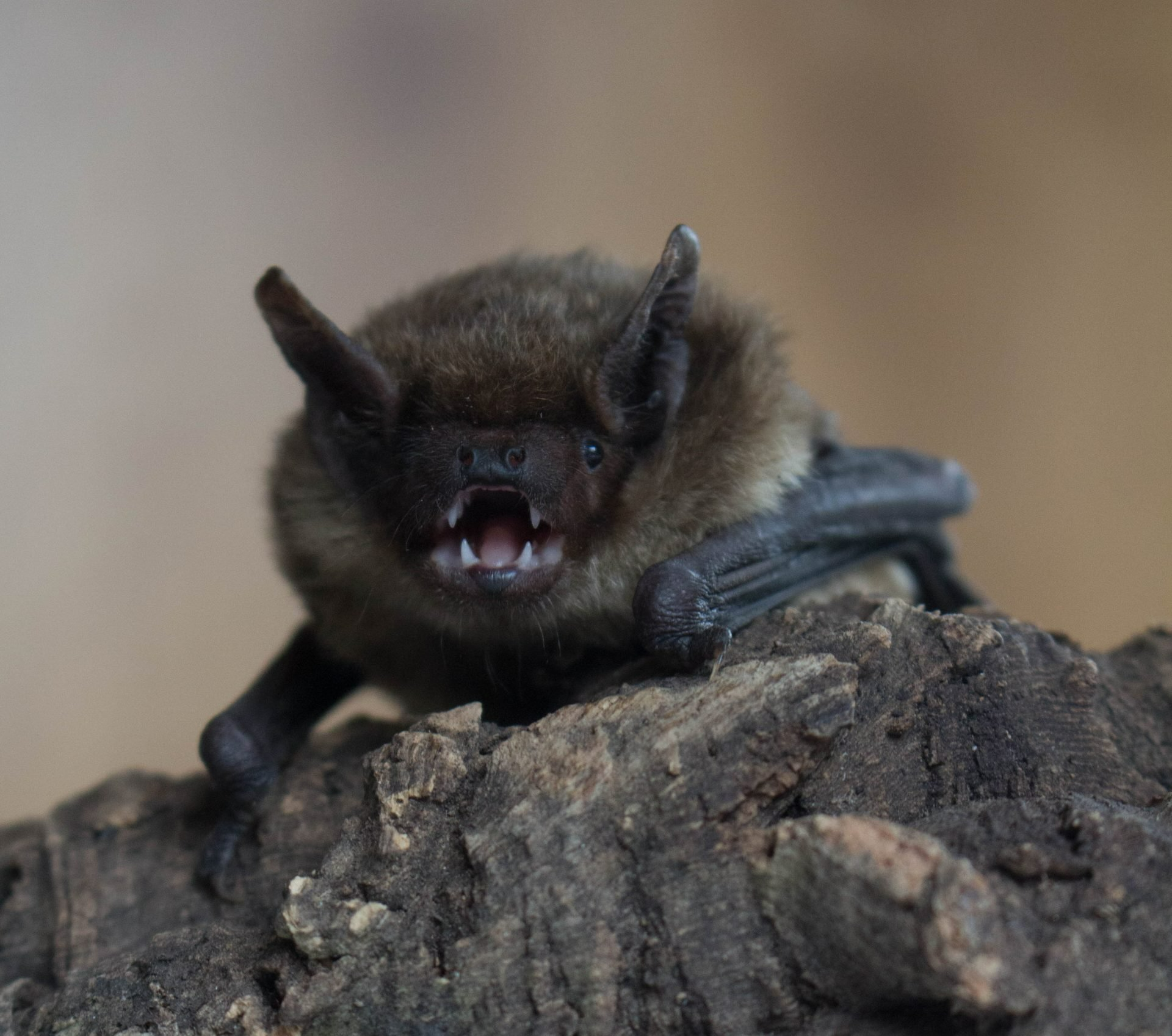
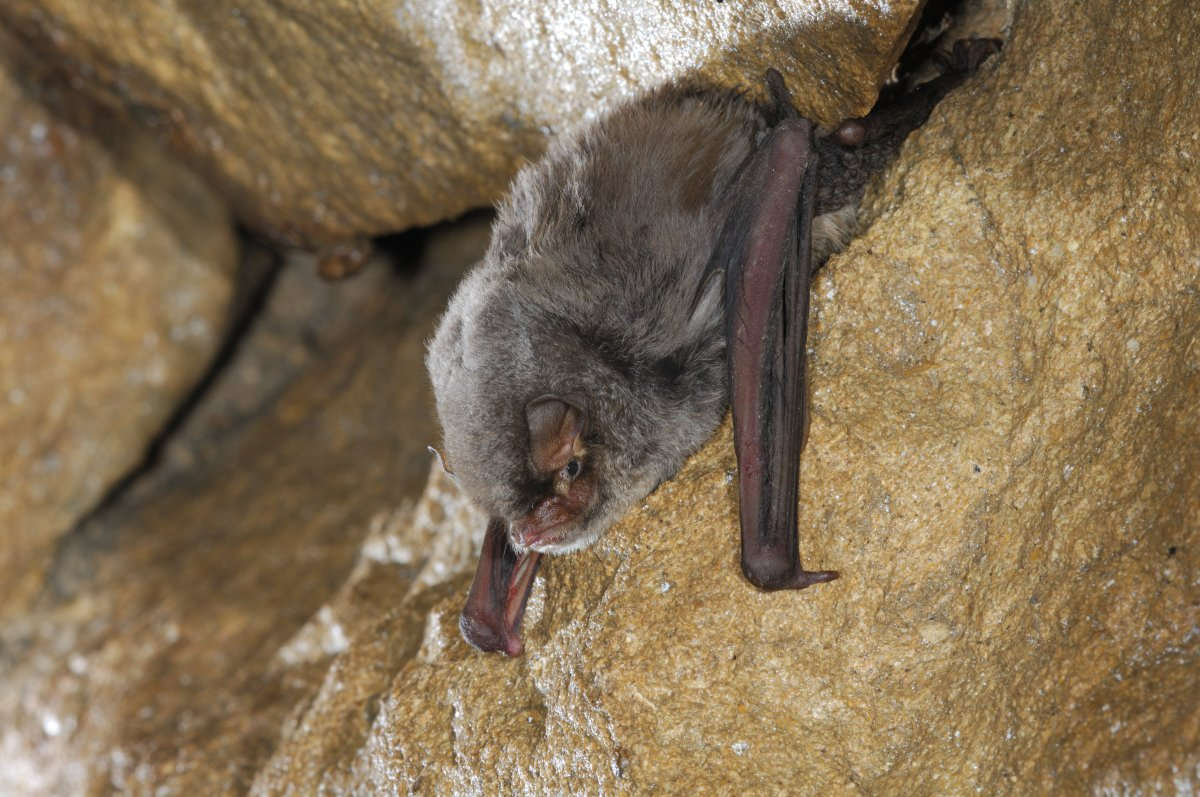
A suitable habitat for rare bat species
Two types of habitats are found in the area around Sesalac Cave: deciduous broadleaf forests, as well as subtropical/tropical dry shrub habitats.
Sesalac Cave is one of the most important underground shelters for the Common Bent-wing Bat (Miniopterus schreibersii), the Greater Mouse-eared Bat (Myotis myotis), and the Lesser Mouse-eared Bat (Myotis blythii), gathering several hundred individuals of these species that form maternity colonies during the summer (May-June) period.
A winter hibernation site for many species
Additionally, in smaller numbers, species such as the Greater Mouse-eared Bat (Myotis myotis), Blasius's Horseshoe Bat (Rhinolophus blasii), and the Mediterranean Horseshoe Bat (Rhinolophus euryale) form summer maternity colonies of 50 to 100 individuals.
Species for which a wintering ground has been confirmed in Sesalac Cave are: the Lesser Horseshoe Bat (Rhinolophus hipposideros), the Common Bent-wing Bat (Miniopterus schreibersii), the Greater Horseshoe Bat (Rhinolophus ferremecuinum), the Alcathoe Whiskered Bat (Myotis alcathoe), and the Common Serotine (Eptesicus serotinus), which form hibernation colonies numbering 50 to 100 individuals per species.
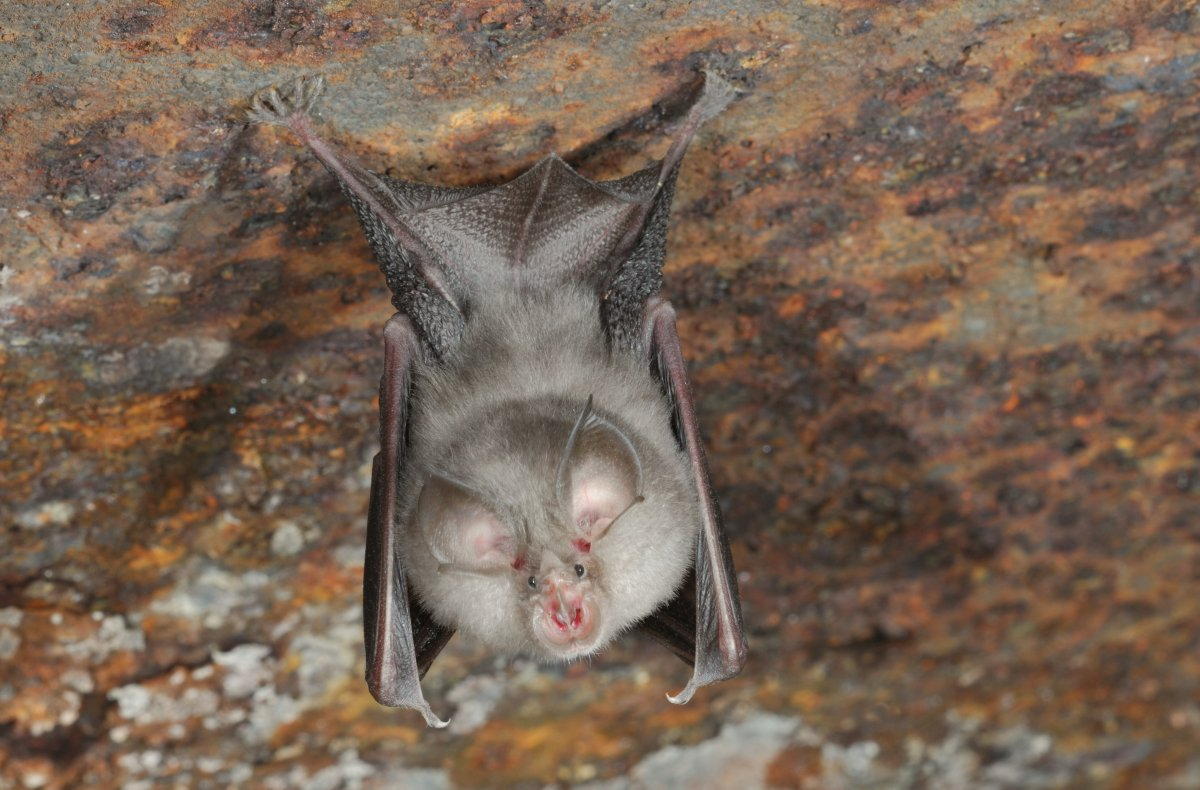
(Eptesicus serotinus)
One of the most well-known species in Sesalac Cave. The greater mouse-eared bat inhabits cave entrances and surrounding rocky areas. It hunts at dusk above meadows and rural landscapes, and is known for its powerful flight and adaptability to life near human settlements.
(Eptesicus bottae)
A rare species that appears in smaller numbers in Serbia, but finds a stable refuge in Sesalac Cave thanks to its constant temperature and humidity. It is active during the warmer months and feeds mainly on larger insects.
(Myotis capaccinii)
A rare and strictly protected species that inhabits damp parts of caves and areas near water. Its presence is particularly significant. The stable climate allows this sensitive species to maintain colonies. It is recognized by its elongated fingers on the wings and its exceptionally quiet, precise flight.
(Miniopterus schreibersii)
One of the most important protected species in the region. Known for its long and narrow wings, the long-winged bat is an exceptional flyer and often forms large colonies. Sesalac Cave provides it with an ideal habitat for residence and reproduction.
(Rhinolophus hipposideros)
Among the smallest European horseshoe bats. Easily recognizable by the characteristic “horseshoe” shape of its nose. It resides in the cave throughout the year, feeling secure in the silence and stable microclimate necessary for its survival.
(Rhinolophus euryale)
A warmth-loving species that inhabits the areas of eastern and southern Serbia. It finds ideal conditions for summer and transitional colonies in Sesalac Cave. It feeds on small moths and retreats deep into the cave during daytime rest.
How to get to Sesalac Cave
Sesalac Cave is 17 km from Sokobanja, 46 km from Aleksinac, 80 km from Niš, and 245 km from Belgrade. The easiest way to reach the site is from the regional road Sokobanja–Knjaževac, turning north near Čitluk toward the villages of Sesalac and Milušinac, then at the intersection turning left through the village of Sesalac.