Geomorphological values of Sesalac Cave
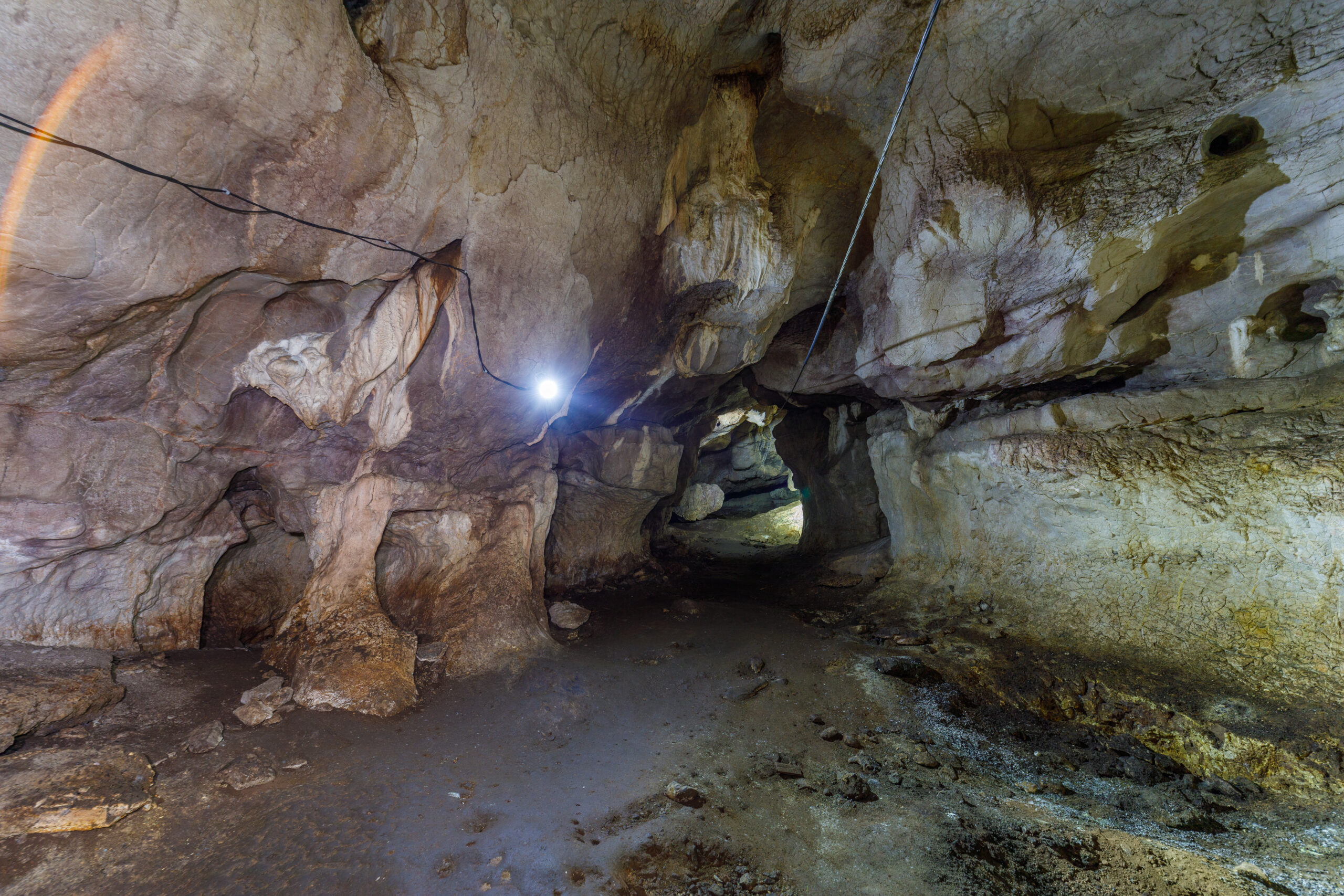
Sesalac Cave is a subterranean form of karst relief, treated as an integrated dissolution cave system, formed by dissolution, with known input and output parts of the system. A special value of the cave is the development of karst channels of both phreatic (channels completely filled with water) and vadose types (gravitational movement of underground water).
Speleological features
Travertine pools
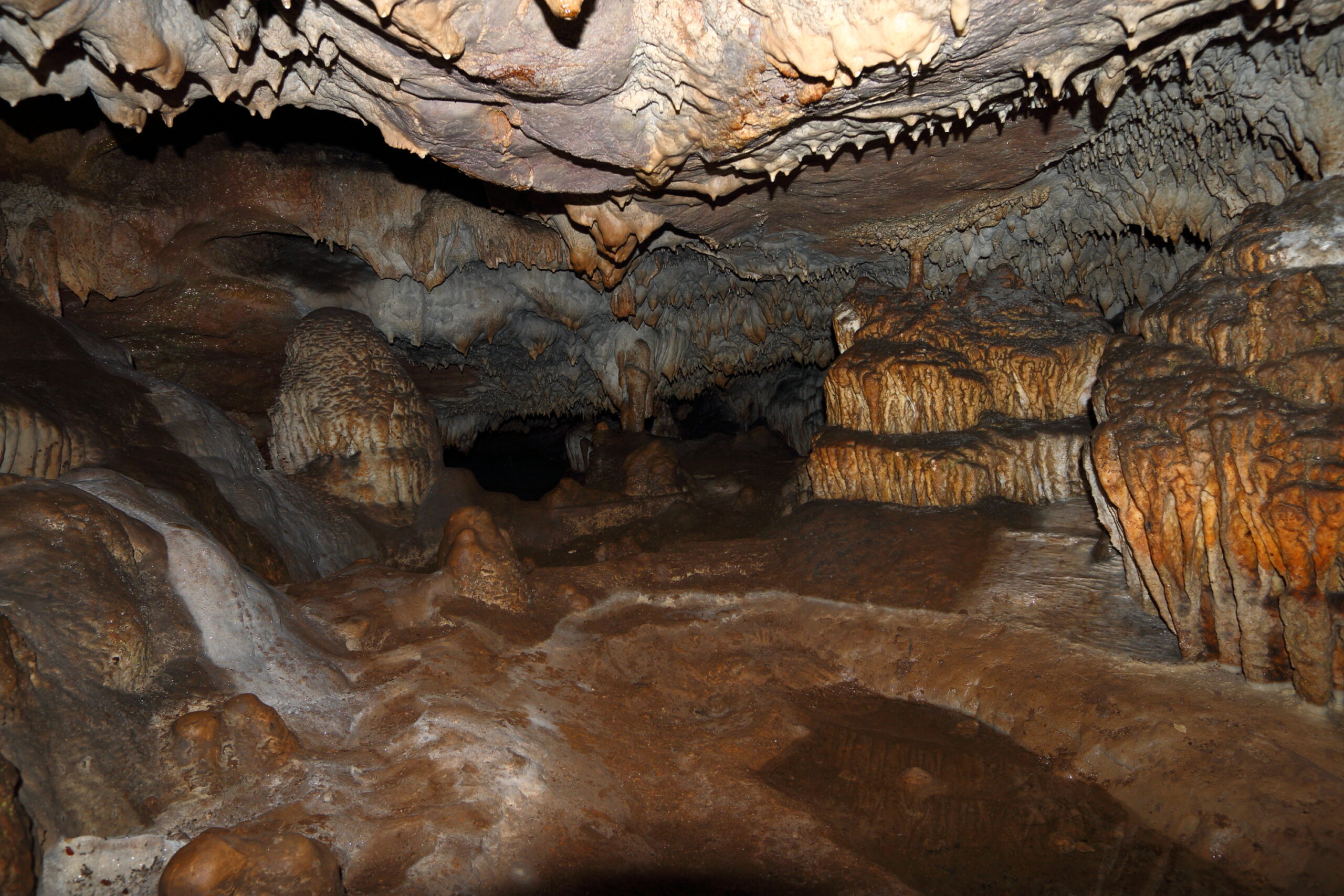
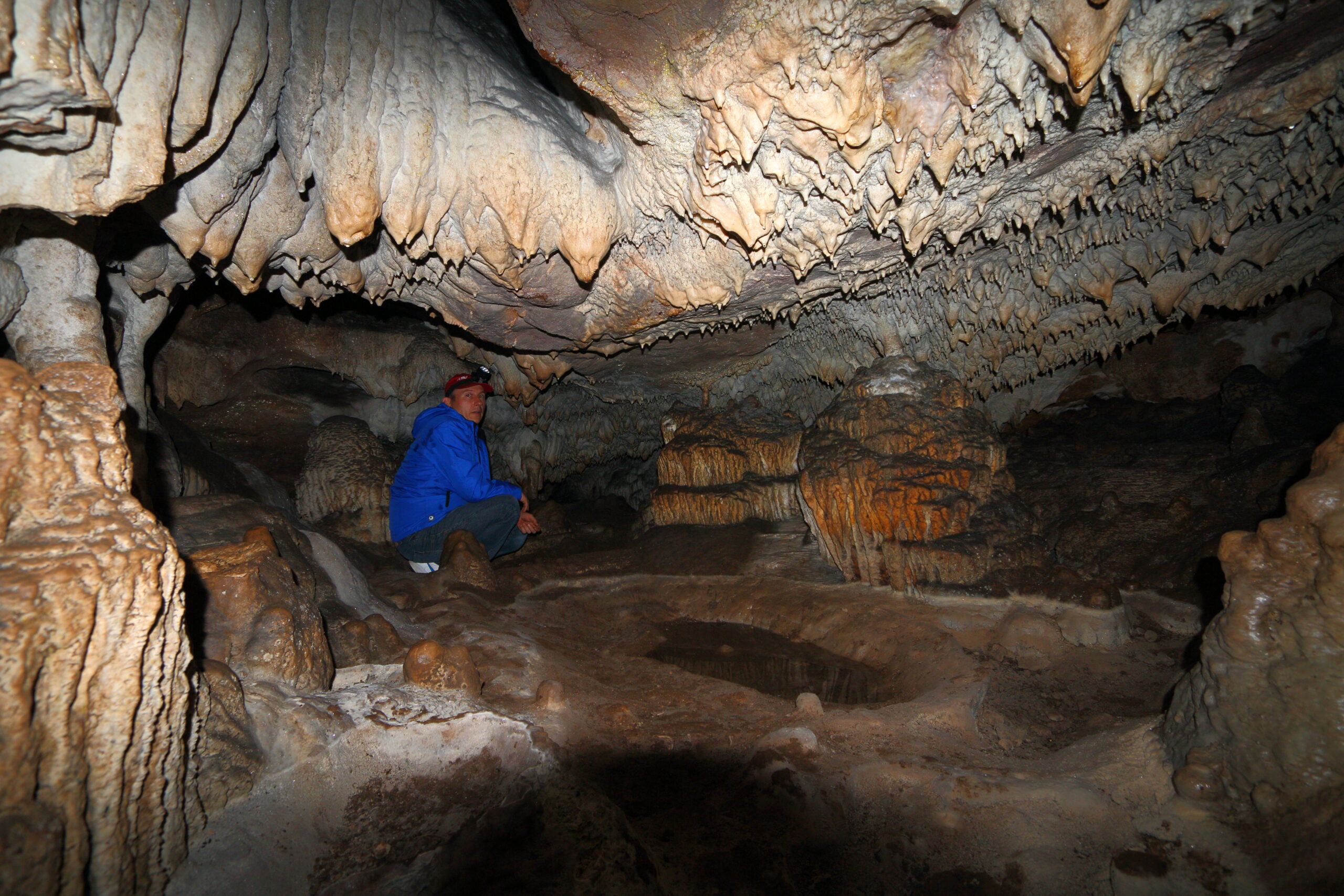
The travertine pools of Sesalac Cave are among its most recognizable natural formations. Gently shaped by the flow of underground water, these stone cascades resemble natural basins that shimmer in the cave’s twilight. Their layers and rims bear witness to nature’s long, quiet work—a process that unfolds over centuries and gives the cave its distinctive, calming appearance.
Stalactites
The stalactites decorating the ceilings of Sesalac Cave resemble stone “icicles,” patiently formed drop by drop over time. Whether slender or massive, they softly reflect the light, revealing an underground beauty that takes millennia of patience to emerge. Walking past them, it feels like you’re seeing the living history of water and stone.
Stalagmites
On the cave floor, stalagmites rise as silent witnesses to centuries of mineral deposition. Their shapes, ranging from low and rounded to tall and column-like, make the chambers even more impressive. In some areas they approach the stalactites above, creating monumental natural sculptures that reveal the cave’s depth, dynamism, and age.
Rich fauna
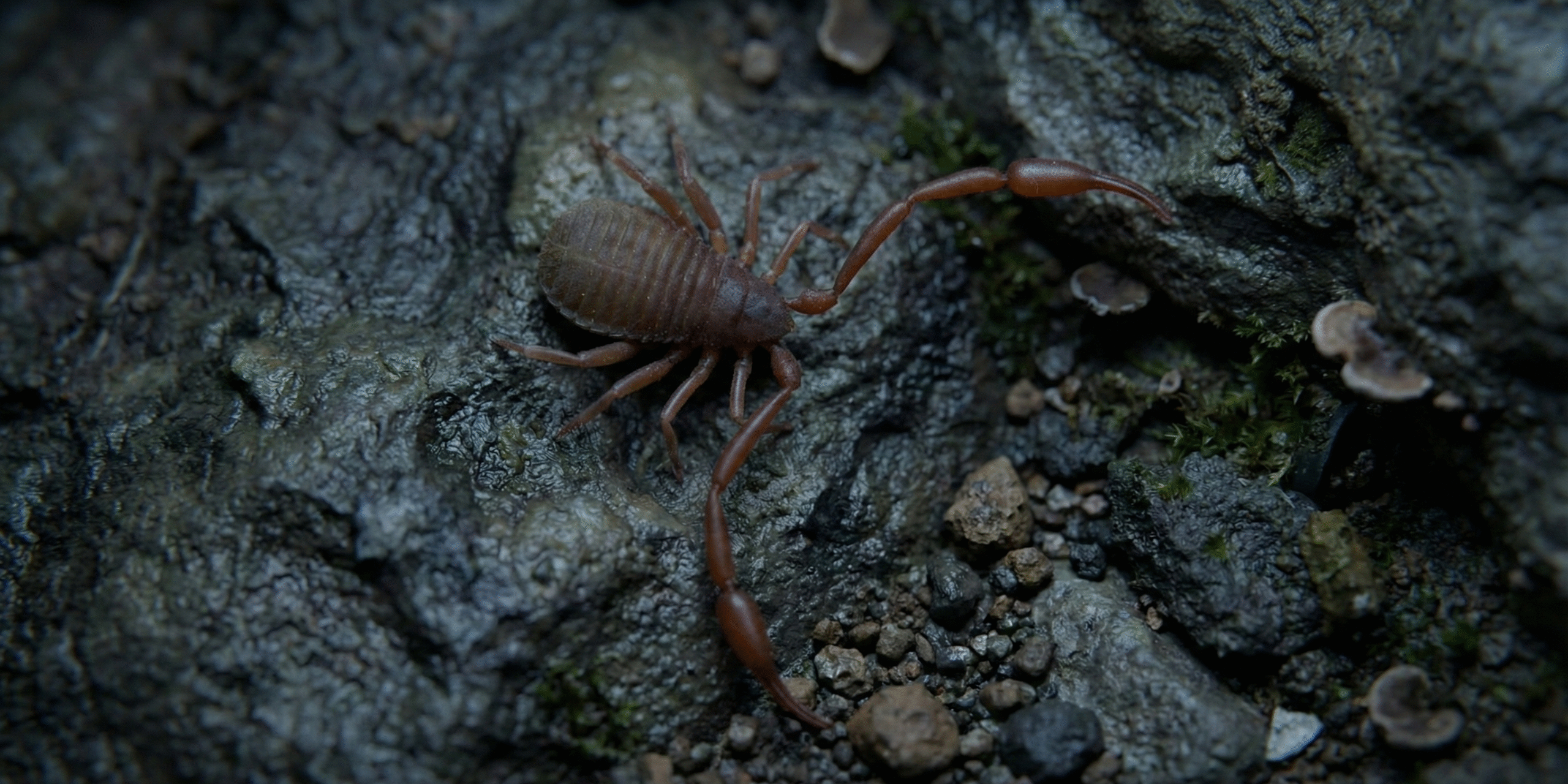
In the Sesalac Cave, current research has recorded four species of invertebrates, the most significant finding for science being a new species of pseudo scorpion (Pseudoscorpiones) named Neobisium deltshevi. The total number of herpetofauna species for the area of Serbia is approximately 45 species (21 species of amphibians and 24 species of reptiles), out of which a total of 22 species have been recorded in the area surrounding Sesalac and the Sesalac Cave natural monument (6 species of amphibians and 16 species of reptiles).
Pseudoscorpion
In the Sesalac Cave, current research has recorded four species of invertebrates, the most significant finding for science being a new species of pseudo scorpion (Pseudoscorpiones) named Neobisium deltshevi. The total number of herpetofauna species for the area of Serbia is approximately 45 species (21 species of amphibians and 24 species of reptiles), out of which a total of 22 species have been recorded in the area surrounding Sesalac and the Sesalac Cave natural monument (6 species of amphibians and 16 species of reptiles).
Bats
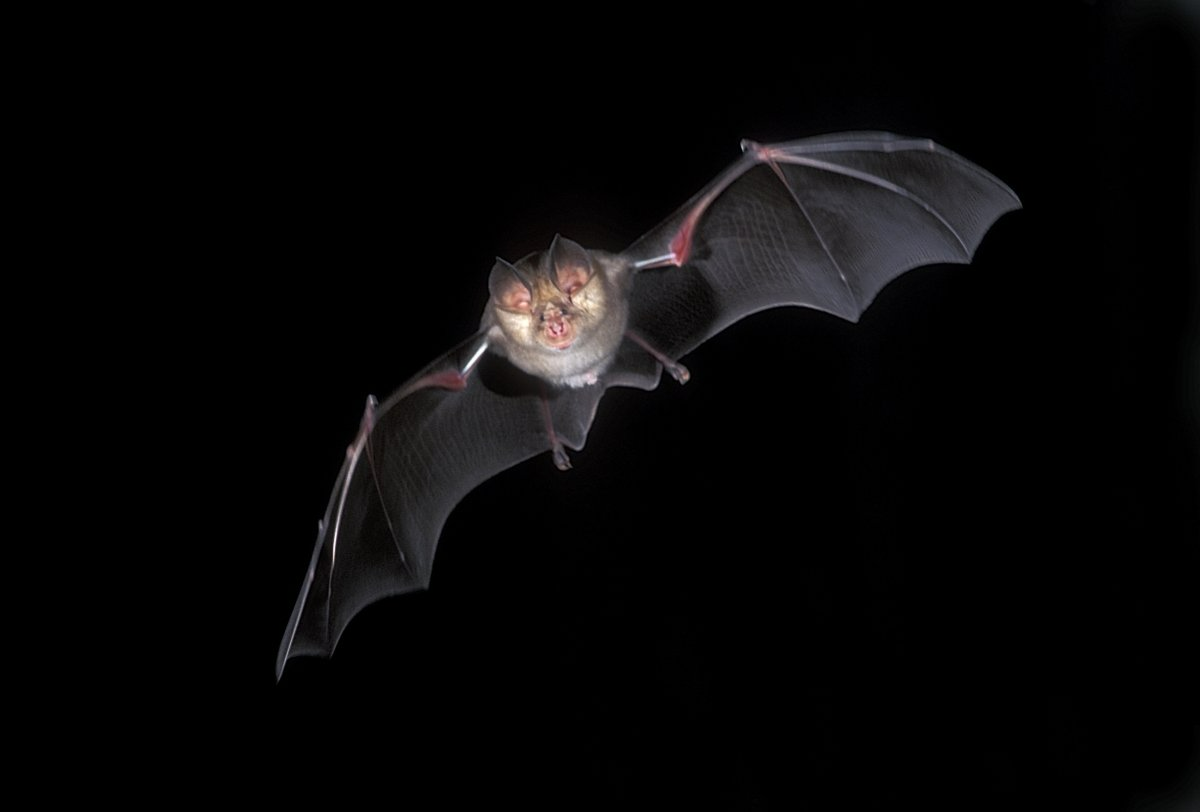
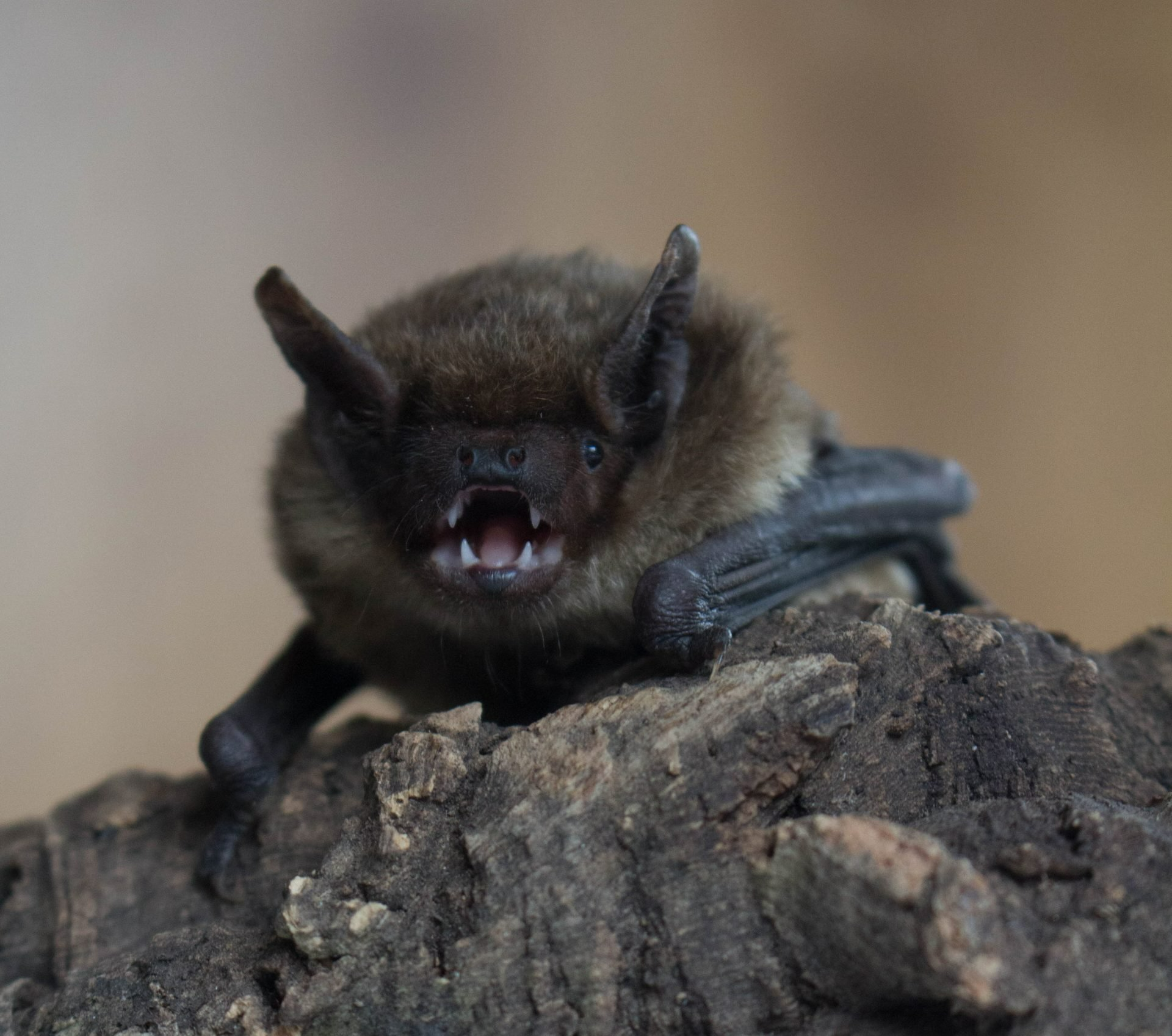
The presence of 10 bat species has been confirmed in the cave, out of 31 species known in Serbia. The mixed maternity colonies of 7 bat species are a particular value of the Sesalac Cave, which makes the cave one of the most important summer reproductive shelters for bats in Serbia.
How to get to Sesalac Cave
Sesalac Cave is 17 km from Sokobanja, 46 km from Aleksinac, 80 km from Niš, and 245 km from Belgrade. The easiest way to reach the site is from the regional road Sokobanja–Knjaževac, turning north near Čitluk toward the villages of Sesalac and Milušinac, then at the intersection turning left through the village of Sesalac.